





Dryers: How to Prevent Lint and Fluff Buildup
Dryers: How to Prevent Lint and Fluff Buildup
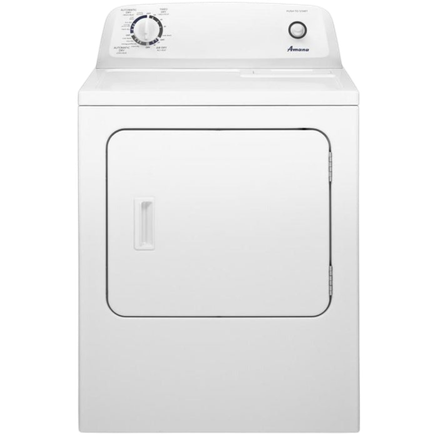
Having a dryer in your home is a convenient and time-saving appliance that many of us rely on to keep our clothes dry and fresh. However, over time, dryers can accumulate lint and fluff buildup, which not only reduces their efficiency but also poses a fire hazard. Here are some essential tips on how to prevent lint and fluff buildup in your dryer:
1. Clean the Lint Trap Regularly
One of the simplest ways to prevent lint buildup in your dryer is to clean the lint trap after every cycle. A clean lint trap allows for proper airflow, reducing the risk of lint accumulating in the dryer's vents.
2. Inspect and Clean the Dryer Vent
It's essential to regularly check the dryer vent for any obstructions or lint buildup. A clogged vent not only hinders the drying process but can also be a fire hazard. Use a vent cleaning brush to remove any lint or debris from the vent and ensure proper ventilation.
3. Avoid Overloading the Dryer
Overloading the dryer not only leads to wrinkled clothes but also prevents proper airflow, increasing the chances of lint buildup. Be sure to follow the manufacturer's guidelines regarding load capacity to ensure efficient drying and minimize lint accumulation.
4. Schedule Professional Dryer Vent Cleaning
While regular maintenance can help prevent lint buildup, it's a good idea to schedule professional dryer vent cleaning at least once a year. A professional cleaning service will thoroughly clean the vents and ducts, ensuring optimal dryer performance and reducing fire risks.
By following these simple tips, you can maintain your dryer's efficiency and safety, while also prolonging its lifespan. Remember, a well-maintained dryer not only saves you time and energy but also ensures the safety of your home and family.
If you're in the market for a new dryer or any other home appliance, be sure to explore our wide range of options. Make informed decisions when purchasing appliances to meet your household's needs and preferences. Don't forget to follow our blog for more tips and recommendations on appliances and home lifestyle.