






Home
>
Bloggers' Appliance Corner
>
Dishwasher: Why Hard Water Deposits Are Harmful and How to Avoid Them

Dishwasher: Why Hard Water Deposits Are Harmful and How to Avoid Them
Dishwasher: Why Hard Water Deposits Are Harmful and How to Avoid Them
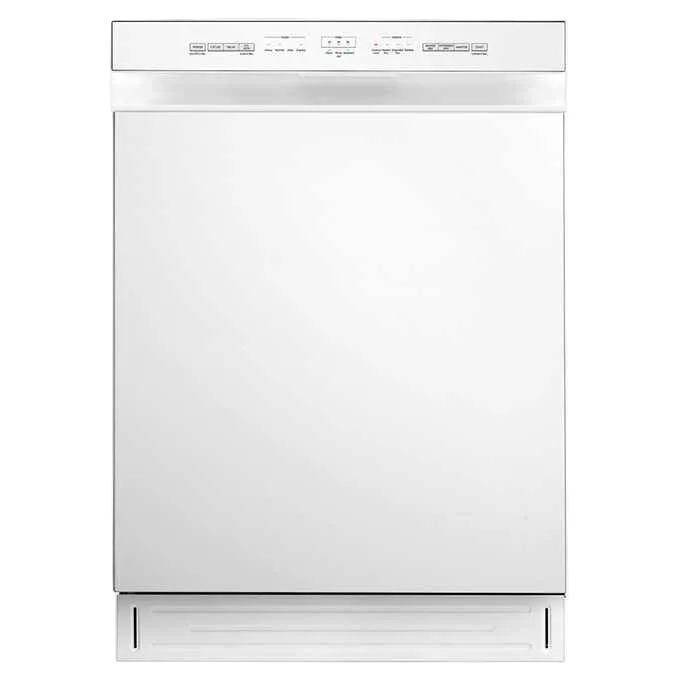
Hard water deposits in your dishwasher can lead to various issues, including reduced cleaning efficiency, clogging of the spray arms, and damage to the heating element. Understanding the harmful effects of hard water deposits and learning how to prevent them can help you maintain your dishwasher in optimal condition.
The Impact of Hard Water Deposits
Hard water contains high levels of minerals like calcium and magnesium. When hard water is used in your dishwasher, these minerals can accumulate and form deposits on the interior surfaces. Over time, these deposits can lead to the following problems:
- Reduced Cleaning Performance: Hard water deposits can hinder the effectiveness of the detergent, leading to dishes that are not properly cleaned.
- Clogged Spray Arms: The build-up of mineral deposits can block the spray arms, preventing them from rotating efficiently and distributing water evenly.
- Damaged Heating Element: If hard water deposits are not addressed, they can coat the heating element, reducing its ability to heat water properly and increasing energy consumption.
- Unpleasant Odors: Mineral deposits can trap food particles and bacteria, leading to foul odors in your dishwasher.
Preventing Hard Water Deposits
To avoid the harmful effects of hard water deposits in your dishwasher, consider the following preventive measures:
- Use a Water Softener: Installing a water softener in your home can help reduce the mineral content in the water, preventing the formation of hard water deposits.
- Regular Cleaning: Clean the interior of your dishwasher regularly with a mixture of vinegar and water to remove existing deposits and prevent new ones from forming.
- Use a Rinse Aid: Adding a rinse aid to your dishwasher can help prevent water spots and mineral deposits on your dishes and dishwasher surfaces.
- Choose the Right Detergent: Use a dishwasher detergent specifically formulated for hard water to ensure optimal cleaning performance.
By taking proactive steps to prevent hard water deposits in your dishwasher, you can ensure that your appliance operates efficiently and effectively, extending its lifespan and saving you from costly repairs.
For more tips on maintaining your appliances and improving your home life, be sure to follow our blog. Explore our wide range of high-quality appliances and make informed decisions to enhance the comfort and convenience of your household. Stay tuned for additional recommendations and expert advice on home appliances and lifestyle.